

I Spent 20 Years Treating My Period Pain the Wrong Way
Here’s what I do now.

When I was 16 years old, I suffered from period cramps so agonizing they regularly kept me home from school. Desperate for a solution, my mom took me to the doctor. I walked out of that appointment with two things: a prescription for an NSAID called Meftal-Spas, and a classic piece of traditional Indian medical advice: “Just have a baby, and then everything will be ok.” (eye-roll).
For the next two decades, those pills were my crutch. But over the years, everything steadily worsened - the periods, the PMS, the bloating. Because the baseline pain was escalating, I did the only thing that made sense at the time: I took more meds.
At 28, while traveling in Bali, a traditional healer pinched the skin between my toes. I practically howled. He looked at me flatly and said, “You have painful periods. Stop doing what you’re doing and start taking omega-3 and vitamin E.”
I wish I had listened. Instead, I tucked his words away, packed my trusty NSAIDs, and kept running on the same loop.
The real turning point came at 38, following a routine blood test that flagged high triglycerides. My doctor’s directive was clear: start taking high-quality omega-3s religiously. I did. A few cycles later, something miraculous happened: for the first time in my adult life, my heavy dependence on painkillers during my period plummeted.
That accidental discovery kicked off a year-long deep dive into the science of menstrual health. Here is what I learned about how our bodies actually process period pain, and how you can use set up your own apothecary to be more pain free. But before we get into that - let’s take a look at why these cramps even exist.
The period cramp - how it works
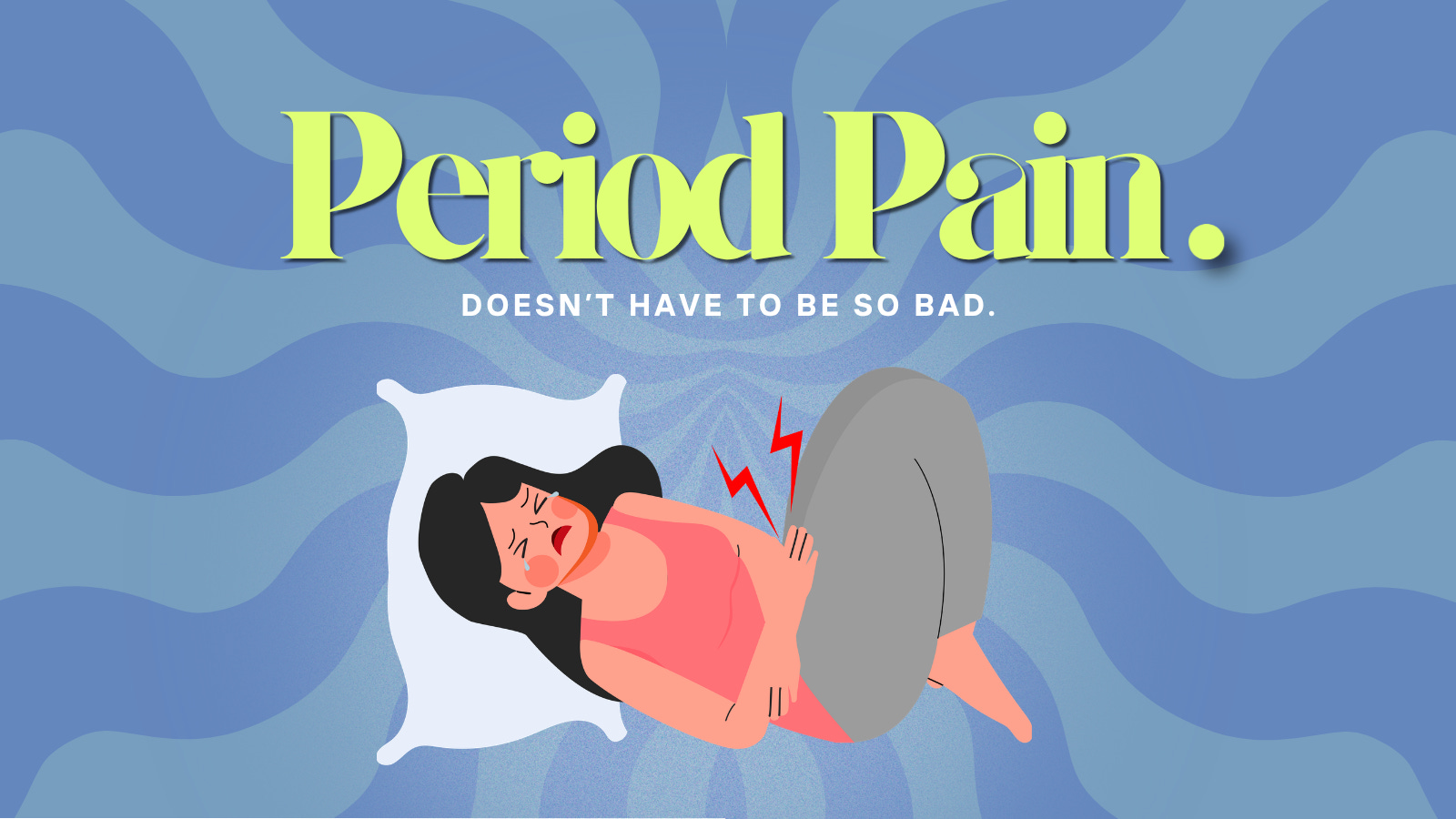
Period cramps are technically known as Dysmenorrhea. Turns out that our periods are DESIGNED to be painful because of a certain compound called prostaglandins.
Here’s how it all works:
The Hormone Drop: At the end of your menstrual cycle, if pregnancy hasn’t occurred, estrogen and progesterone levels plunge. This drop destabilizes the uterine lining, signaling that it’s time to shed.
The Inflammatory Signal: As the lining breaks down, it releases prostaglandins (specifically PGF2α and PGE2). These aren’t inherently “bad” - they are the signaling molecules that tell the uterus to contract. However, when levels are too high, the signaling goes into overdrive. They also will move outside the uterus - causing inflammation and pain in your intestines, and in your blood - which is why you may feel like you are fighting a mild cold on the days right before your period starts.
The Squeeze: The uterus is a powerful muscle. Prostaglandins cause it to contract in intense, rhythmic waves.
Ischemia (Oxygen Starvation): When the uterus contracts with high intensity, it temporarily squeezes its own blood vessels shut, cutting off oxygen delivery to the uterine muscle.
The Pain Response: The combination of intense muscular squeezing, localized oxygen deprivation, and chemical inflammation activates the pelvic pain nerves, radiating into your lower abdomen, back, and thighs.
Primary vs. Secondary Dysmenorrhea
Before treating cramps, it’s crucial to identify what kind you have:
Primary Cramps: “Normal” period pains with no underlying disease, usually peaking on days 1–2.
Secondary Cramps: Pain caused by structural issues like endometriosis, adenomyosis, or fibroids. If this is the reason for your pain, you will need to talk with your doctor, these natural solutions may not work for you.
The solution
If we want to ease primary cramps naturally, we need to match our remedies to our biology. There are 2 main types of things we can do: Long-term anti-inflammatories that change your baseline) and Acute Rescue solutions (to fight prostaglandins and oxygen loss in real-time).
Long-term anti-inflammatories that change your baseline
These remedies don't work instantly on day one. Instead, when consumed consistently, they physically alter the inflammatory makeup of your uterine tissue. You will need to do these consistently for 2-3 months to see the effects.
High-EPA Omega-3 Supplements
This was my accidental miracle. A 2024 (1) meta-analysis confirmed that daily omega-3 intake for 2–3 months consistently reduces menstrual pain and the need for rescue analgesics. In these studies researchers provided 300–1,800 mg daily of long-chain omega-3s primarily EPA and DHA, for two or three months showed a reduction in menstrual pain with 95% confidence interval. Six of the seven studies that assessed the use of painkillers as well reported a reduction.
Omega-3 fatty acids displace pro-inflammatory fats in your cell membranes, meaning your uterine lining physically manufactures fewer aggressive, cramp-inducing prostaglandins when it breaks down.
Why I prefer supplements this time:
I love the idea that food is medicine, and if you are able to eat a fatty fish every day - then you should definitely do that. As a vegetarian - supplements are the way to go. Chia seeds, flaxseeds, and avocados are healthy, they provide omega-3s in the form of ALA, which our bodies convert to active forms (EPA and DHA) at a rate below 5%. To get the benefits, opt for a high-quality fish oil or an algae-based supplement. Look specifically for high levels of EPA, as it is the primary driver for reducing menstrual inflammation.
If you are wondering which Omega 3 to buy - leave me a comment and I will do a detailed analysis of your options and tell you which ones are best, most economical and which ones to buy!
Magnesium-Rich Foods & Supplements
Magnesium supports normal muscle relaxation and helps blunt the intensity of uterine contractions. While clinical evidence is still growing, small trials show it can lessen period pain and lower prostaglandin levels.
Through Food: Regularly incorporate pumpkin seeds, tahini, dark leafy greens, black beans, and high-cacao dark chocolate into your diet.
Through Supplements: Aim for 200–300 mg of elemental magnesium daily with food (staying below 350 mg from supplements unless directed by a doctor).
Which form should you use? Here is a quick guide:
Magnesium Glycinate / Bisglycinate:
Highly absorbable, gentle on the stomach, and ideal if you experience period-related nausea or diarrhea.
Magnesium Citrate
Great if you suffer from cycle-related constipation (or are on GLP-1 medications), but can cause loose stools if overused.
Magnesium Oxide
Poorly absorbed; acts primarily as a laxative rather than a muscle relaxant. Avoid this form if you are working on reducing period pains.
Your at home Apothecary
I love love love the idea that you can have an apothecary in your own home and that you can make your own medicines, brew your own cures and support your body with natural remedies! Here are my top 3 things for period pains:
Ginger (The Prostaglandin Blocker)
Ginger is one of the most clinically supported natural remedies available. A systematic review (2) found that taking 750–2,000 mg of ginger powder daily during the first 3–4 days of your period significantly reduces pain. There is so much amazing research that show that ginger can hold its own against painkillers (2,3,4). I will say though that even though ginger is natural - it also does not mean that it is automatically safer. It can cause heartburn, diarrhea or abdominal cramps in some people. So before you dive right in with the highest dose - start small and see how you feel before moving to high level dosages.
Firstly, as a human - I LOVE GINGER. It smells great, adds such warmth to anything you add it to and the perfect balance of heat. This ingredient has traveled through kitchens, sickbeds, postpartum rituals, cold remedies, spice routes, and folk magic for centuries. It is food. It is fire. It is medicine. And it is delicious.
As a food scientist - I find ginger fascinating. Ginger is not just a single, flat ingredient. It can be used fresh, dried, powdered, fermented, pickled, juiced, candied, infused, or extracted. Because its chemical structure changes based on how it is prepared, its behavior inside your body changes too. Most of it’s medicinal effects come from 3 compounds:
Gingerols: Fresh ginger is rich in compounds called gingerols, which create its sharp, warming bite by activating the same heat-sensing receptors triggered by chili peppers. Gingerols may also help calm inflammation by reducing the activity and production of cyclooxygenase enzymes, known as COX-1 and COX-2. These enzymes help the body manufacture prostaglandins—chemical messengers involved in inflammation, pain and menstrual cramping. By slowing this pathway, ginger may reduce the amount of pain-promoting prostaglandins produced.
Shogaols: When ginger is dried or exposed to sustained heat, some of its gingerols lose a molecule of water and transform into compounds called shogaols. This gives dried ginger a sharper, more concentrated and longer-lasting heat than fresh ginger. In laboratory studies, particularly 6-shogaol has reduced certain inflammatory chemicals more strongly than 6-gingerol. For menstrual cramps, dried ginger root powder in capsules or raw form carries the most clinical evidence. A 2015 systematic review found suggestive evidence that 750–2,000 mg of dried ginger powder per day, taken during the first three to four days of menstruation, may reduce primary menstrual pain. (2)
Zingerone: Cooking transforms the root, creating a sweeter aroma and yielding zingerone. It is mainly known for:
Intestinal Calming: Studies suggest zingerone helps regulate intestinal contractions and reduce spasms, explaining why cooked ginger is traditionally perceived as incredibly gentle on a sensitive stomach.
Antidiarrheal Effects: In preclinical mouse studies, zingerone interfered with the activity of toxins produced by E. coli, reducing fluid accumulation in the gut. While this shouldn’t replace hydration or medical treatment for infectious illnesses, it highlights ginger’s ability to soothe the digestive distress and loose stools that frequently accompany a period.
Antioxidant Action: Zingerone actively reduces oxidative damage and influences metabolic and liver-protective pathways.
How to Take It:
Option A: In Food:
Add dried ginger powder to absolutely everything you eat in the days leading up to your period. You are aiming for about 2 teaspoons a day. While that sounds like a lot, you can easily sneak it into rich, gingery broths, lentil dishes, and comforting soups. If this sounds like too much for you ( it’s too much for me!) you have more options. I Don’t rely on this, but I do add ginger where I can in the week leading up to my period.
Option B: Make a dose of your own ginger medicine.
If you don't want your entire menu taken over by ginger, try my personal favorite blend. Before we get into the recipe - I did the math for you - a little bit less than 1/2 tsp of ginger powder = 500 mg of ginger powder.
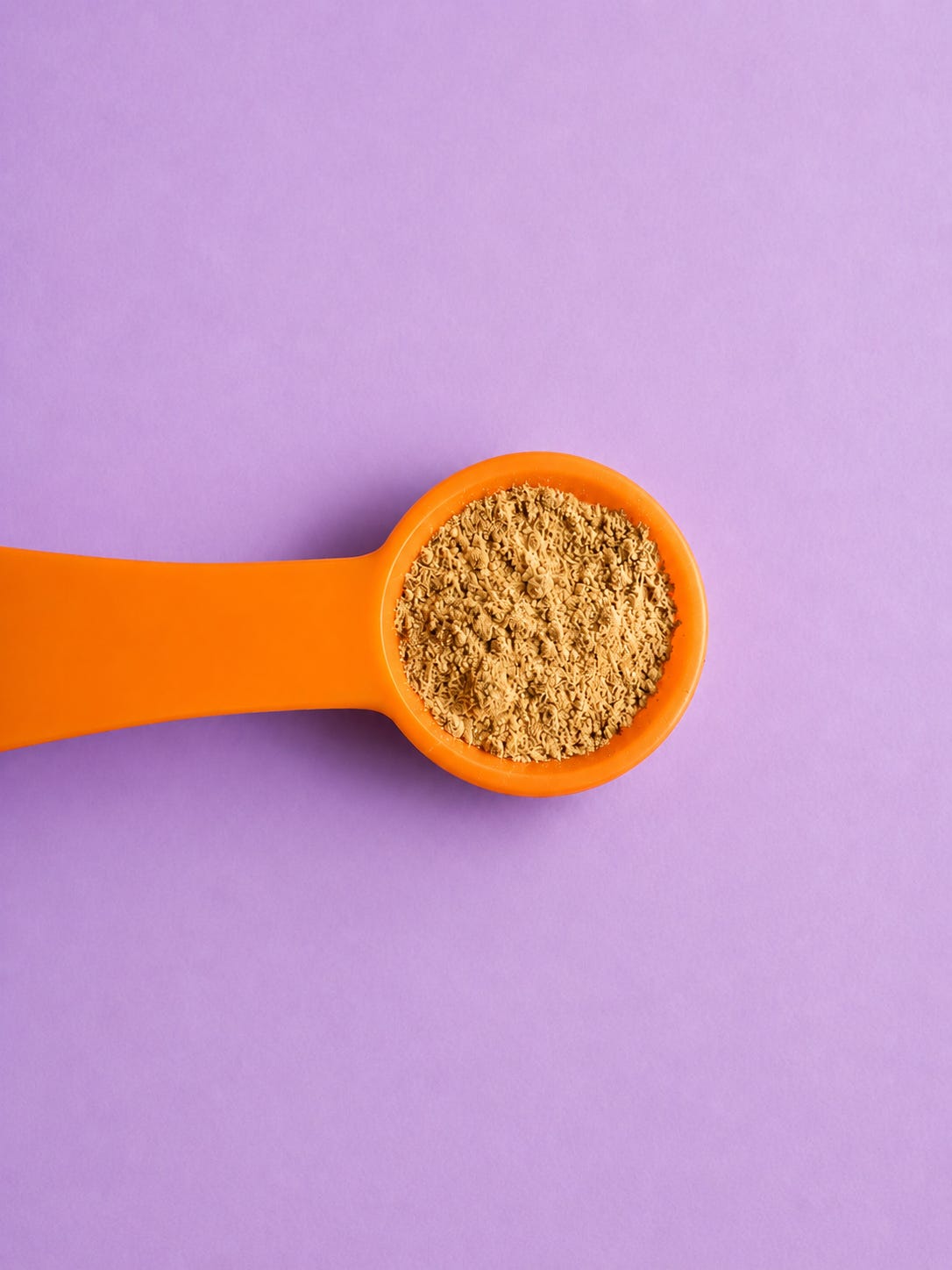
To make the paste: Mix equal parts dried ginger powder and raw honey until smooth and fully incorporated. It is a bit spicy but completely delicious. As a added bonus, honey is naturally soothing and anti-inflammatory, making them a perfect pair.
Example: Stir together 1 tablespoon dried ginger powder and 1 tablespoon raw honey. This yields 2 tablespoons (6 teaspoons) of ginger-honey paste.
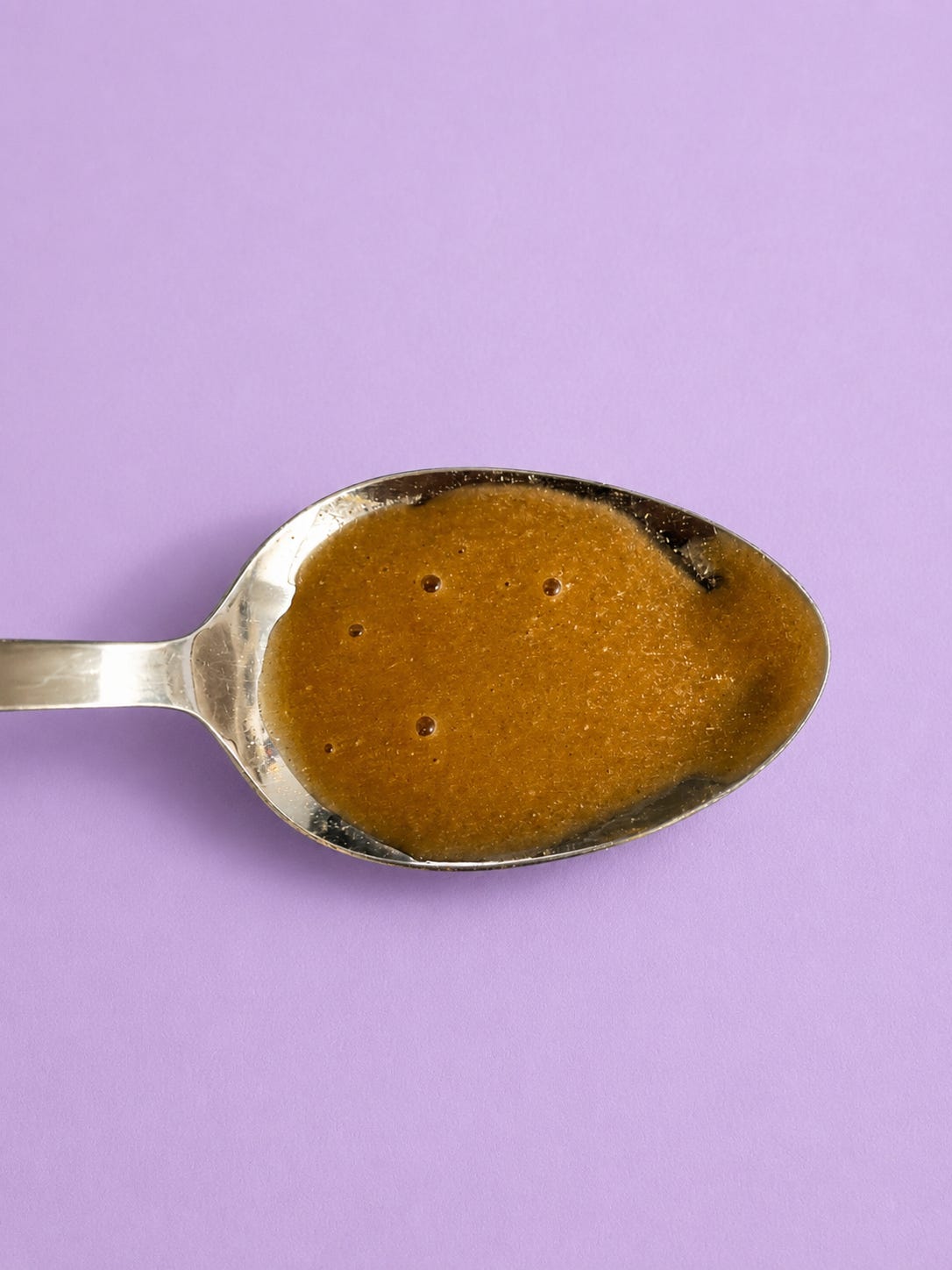
Serving: Each 1 teaspoon of the finished paste provides approximately 500 mg of ginger powder, which is a great serving size. This recipe makes 6 servings, enough for 1–2 days if taking 1 teaspoon, 3–4 times daily. Store any leftovers in the refrigerator. You can take it as is directly as a paste or you can stir it directly into tea.
Option C: Ginger Capsules
You do get ginger pills in the market these days, but buying them can be tricky. Here are some things you will see on labels:
The Basic Powder Pill: A label that simply reads "Ginger root powder: 500 mg" is the same powder you buy at the grocery store, just weighed out into a capsule so you don’t have to taste it. This is great, predictable, and perfectly aligns with the clinical studies.
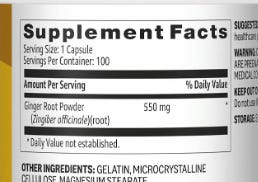
The Concentrated Extract: A label might say "10:1 Extract" (meaning 1 gram of extract was concentrated down from 10 grams of raw ginger) or "Standardized to 5% gingerols" (meaning a 500 mg dose provides a guaranteed 25 mg of active gingerols). If you are looking for something concentrated, then you are looking for this kind of language on the back of the bottle.
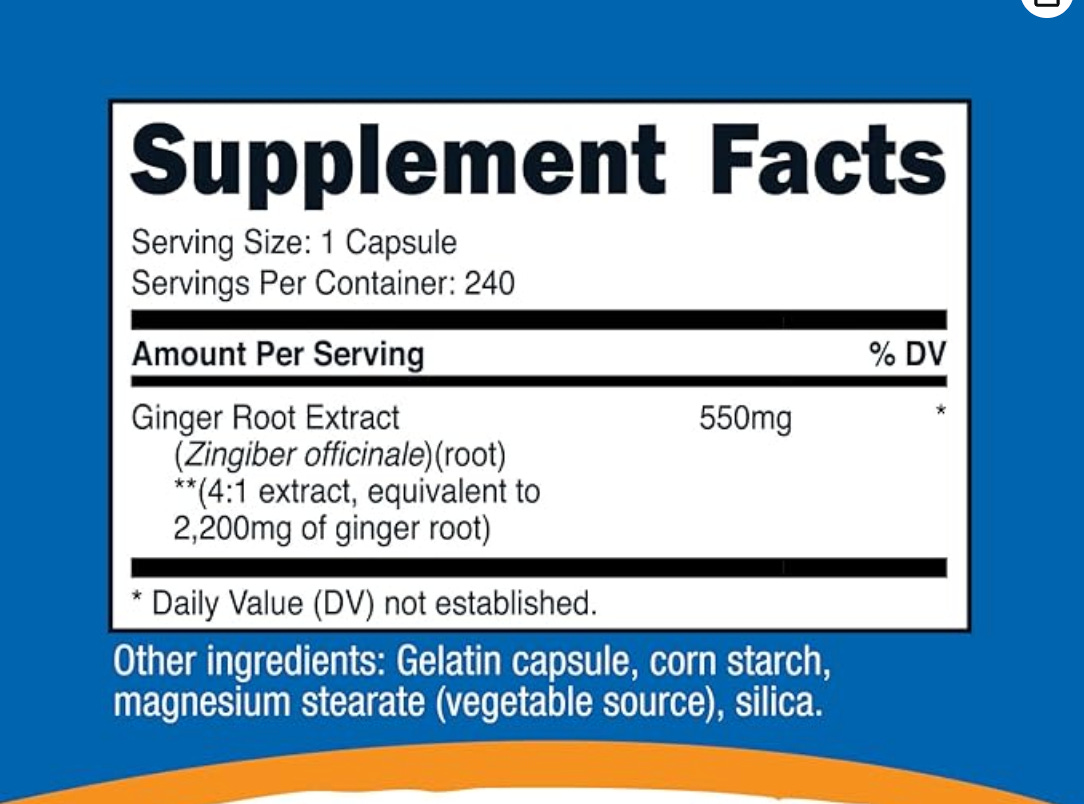
The Vague Label: A label that just reads "Ginger root extract: 250 mg" without any ratio or standardization percentage tells you very little. It could be highly concentrated, or not meaningfully concentrated at all.
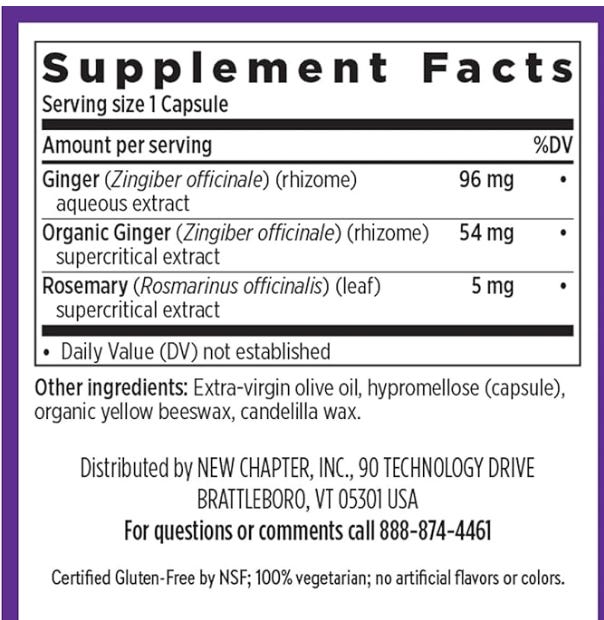
All this to say a 500 mg ginger extract pill is not the same as 500 mg of standard ginger powder. If you buy a highly concentrated extract, you will need a much lower dose than standard grocery powder to get the same therapeutic benefit.
Super important note about the timing:
For ginger to truly work its magic, you must start taking it 2 to 3 days before your period is expected to begin. This proactive window is when it is most effective.
Starting early allows the active compounds in ginger to get ahead of the pain storm by blocking the production of cyclooxygenase enzymes (COX-1 and COX-2). Because these specific enzymes are the machinery your body uses to manufacture cramp-inducing prostaglandins, shutting them down early stops the inflammation before it builds.
If you wait until you actually start bleeding, the prostaglandin surge has already peaked, and you are too late.
Fennel (The muscle relaxant)
A systematic review and meta-analyses (5) concluded that fennel is significantly more effective than placebo and has pain-relieving effects comparable to NSAIDs such as mefenamic acid. Fennel acts as a direct antispasmodic, meaning it coaxes the tight uterine muscle to relax and restores blood flow (combating oxygen starvation). Traditionally it is also used for bloating and digestive discomfort - making it a great option for a little booster on your period.
How to use: Crush 1–2 teaspoons of fennel seeds to release their volatile oils, steep them in boiling water for 10 minutes, and drink as a warm tea.
Cinnamon (The Circulation Booster)
Clinical trials and a meta-analysis found that cinnamon (in combination with ginger and fennel) reduces both the intensity and duration of pain in primary dysmenorrhea (6). In Ayurveda and Traditional Chinese Medicine, cinnamon is considered a warming spice that is traditionally used to support circulation during menstruation.
How to use:
Stir in 1/2-1 tsp of ground cinnamon into any dish or tea of your choice. If you want, you can add it to your ginger-honey medicine above (but if you do, you will have to figure out the new dosage). It pairs beautifully with honey and ginger, making it one of the simplest ways to build an anti-inflammatory ritual during your period.
Breaking the cycle:
The irony isn't lost on me that a solution originally meant to lower my triglycerides is what is finally healing my decades-long battle with period pain. I can’t believe the number of years I went through life thinking it was “normal” to be unable to move or get out of bed for 2 days every month, even with powerful pain meds. I accepted the medical gaslighting that told me pain was just the price of being a woman, and that the only real cure was major life milestones I wasn't ready for.
Easing chronic period pain naturally isn’t about chasing a magic cure on Day 1 while ignoring your body the other twenty-seven days of the month. We need to shift our perspectives.
To see success you need to build a continuous, predictable, and supportive relationship with your unique biology across your entire cycle. By understanding the chemical signals your body is sending, you can transition away from aggressive, reactionary damage control and move toward proactive, foundational healing.
Over to You
Have you found any remedies that work for you? I would love to hear more traditional remedies! Let me know in the comments below!
References:
Snipe RMJ, Brelis B, Kappas C, Young JK, Eishold L, Chui JM, Vatvani MD, Nigro GMD, Hamilton DL, Convit L, Carr A, Condo D. Omega-3 long chain polyunsaturated fatty acids as a potential treatment for reducing dysmenorrhoea pain: Systematic literature review and meta-analysis. Nutr Diet. 2024 Feb;81(1):94-106. doi: 10.1111/1747-0080.12835. Epub 2023 Aug 6. PMID: 37545015.
https://pubmed.ncbi.nlm.nih.gov/37545015/
Daily JW, Zhang X, Kim DS, Park S. “Efficacy of Ginger for Alleviating the Symptoms of Primary Dysmenorrhea: A Systematic Review and Meta-Analysis of Randomized Clinical Trials.” Pain Medicine. 2015;16(12):2243–2255.
https://pubmed.ncbi.nlm.nih.gov/26177393/
Moshfeghinia R, Salmanpour N, Ghoshouni H, Gharedaghi H, Zare R, Cramer H, Heydarirad G, Pasalar M. Ginger for Pain Management in Primary Dysmenorrhea: A Systematic Review and Meta-Analysis. J Integr Complement Med. 2024 Nov;30(11):1016-1030. doi: 10.1089/jicm.2023.0799. Epub 2024 May 21. PMID: 38770631.
https://pubmed.ncbi.nlm.nih.gov/38770631/
Rondanelli M, Fossari F, Vecchio V, Gasparri C, Peroni G, Spadaccini D, Riva A, Petrangolini G, Iannello G, Nichetti M, Infantino V, Perna S. Clinical trials on pain lowering effect of ginger: A narrative review. Phytother Res. 2020 Nov;34(11):2843-2856. doi: 10.1002/ptr.6730. Epub 2020 May 20. PMID: 32436242; PMCID: PMC7754412.
https://pmc.ncbi.nlm.nih.gov/articles/PMC7754412/
Lee HW, Ang L, Lee MS, Alimoradi Z, Kim E. Fennel for Reducing Pain in Primary Dysmenorrhea: A Systematic Review and Meta-Analysis of Randomized Controlled Trials. Nutrients. 2020 Nov 10;12(11):3438. doi: 10.3390/nu12113438. PMID: 33182553; PMCID: PMC7697926.
https://pubmed.ncbi.nlm.nih.gov/33182553/
Xu Y, Yang Q, Wang X. Efficacy of herbal medicine (cinnamon/fennel/ginger) for primary dysmenorrhea: a systematic review and meta-analysis of randomized controlled trials. J Int Med Res. 2020 Jun;48(6):300060520936179. doi: 10.1177/0300060520936179. PMID: 32603204; PMCID: PMC7328489.
https://pubmed.ncbi.nlm.nih.gov/32603204/